
PLC vs. SCADA vs. DCS: Which Control System Is Right for You?
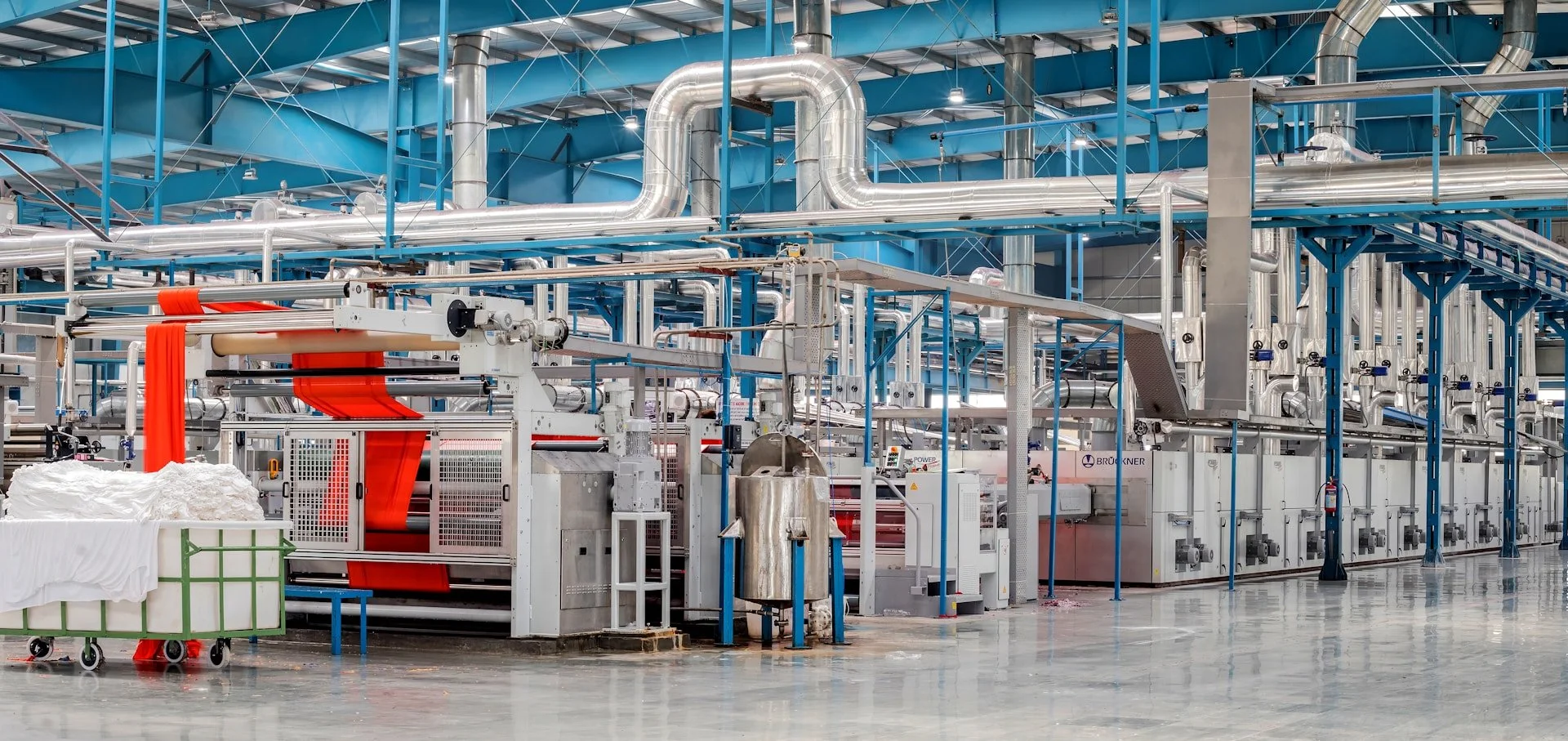
Industrial control systems are the backbone of modern manufacturing and processing plants. They ensure machines run, processes stay within tolerance, and products meet quality standards. But as operations modernize, the lines between different control technologies can blur. Understanding the core differences between a PLC, SCADA, and DCS is crucial for designing an efficient, reliable, and cost-effective system.
This guide breaks down each system, explains its purpose, and helps you determine the best architecture for your facility. We will explore the roles of Programmable Logic Controllers (PLCs), Supervisory Control and Data Acquisition (SCADA) systems, and Distributed Control Systems (DCS) to bring clarity to your automation strategy.
What Is a PLC?
A Programmable Logic Controller (PLC) is a ruggedized industrial computer designed for automating specific machines or processes. Think of it as the direct, hands-on manager of equipment on the plant floor. It executes a programmed sequence of instructions to control motors, valves, solenoids, and other devices based on inputs from sensors.
Key Characteristics
Fast and Deterministic: PLCs operate with extremely fast scan cycles, executing logic in milliseconds. This makes them ideal for high-speed, repetitive tasks where precise timing is critical.
Discrete and Motion Control: They excel at managing on/off (discrete) logic and coordinating complex motion control for robotics and servo systems.
Modular Design: PLCs are highly modular. You can add input/output (I/O) cards, communication modules, and processors as your needs grow, making them very scalable.
Where PLCs Are Used
PLCs are the workhorses of discrete manufacturing. You will find them in:
Packaging and palletizing lines
Material handling and conveyor systems
Robotic work cells
Automated assembly lines
Small-scale batch processes
Advantages and Limitations
PLCs are flexible, relatively low-cost, and supported by a vast ecosystem of vendors like Allen-Bradley, Siemens, and Mitsubishi. Their biggest limitation is that they are not designed for plant-wide supervision. For that, they typically need to be connected to a higher-level system like SCADA.
What Is SCADA?
A Supervisory Control and Data Acquisition (SCADA) system is not a controller itself. Instead, it’s a software platform that sits on top of hardware controllers like PLCs. Its primary role is to provide a big-picture view of an entire plant or process, allowing operators to monitor, gather data, and interact with the equipment from a central location.
Key Characteristics
Centralized Visualization: SCADA uses Human-Machine Interfaces (HMIs) to display real-time process data in a graphical format. Operators can see equipment status, production counts, and alarms on a single screen.
Data Management: A core component of SCADA is its historian, a database that logs process data for analysis, trending, and reporting.
Alarming and Events: The system automatically flags abnormal conditions, notifying operators of issues that require attention.
Where SCADA Is Used
SCADA systems are essential for any operation that needs centralized visibility across multiple machines or locations. Common applications include:
Food and beverage plants
Water and wastewater treatment facilities
Building management systems
Electrical grid and utility monitoring
Advantages and Limitations
The main advantage of SCADA is centralized command and control. It enables remote monitoring and provides powerful data logging tools. However, SCADA is a supervisory layer; it relies on PLCs or other controllers to perform the actual machine-level logic. It also requires a robust and secure network infrastructure to function effectively.
What Is a DCS?
A Distributed Control System (DCS) is a comprehensive, process-oriented system designed for controlling large-scale, continuous manufacturing operations. Unlike a PLC/SCADA architecture where control and supervision are separate, a DCS integrates both functions into a single, cohesive platform. As the name implies, control is distributed among multiple redundant controllers located throughout the plant.
Key Characteristics
Integrated Architecture: A DCS combines control, visualization, and data logging into one package from a single vendor. The controllers, engineering software, and HMIs are all tightly integrated.
High Availability and Redundancy: DCS platforms are built for extreme reliability. They feature redundant controllers, communication networks, and power supplies to ensure there is no single point of failure.
Process-Oriented: The entire system is designed around managing a continuous process, with a focus on stability, safety, and regulatory compliance.
Where a DCS Is Used
DCS is the standard for industries where downtime is catastrophic and processes are complex and often hazardous. This includes:
Oil and gas refineries
Chemical processing plants
Pharmaceutical manufacturing
Power generation stations
Advantages and Limitations
The biggest benefit of a DCS is its unmatched reliability and integrated nature, making it perfect for highly regulated, continuous operations. On the downside, these systems are expensive to implement, require specialized engineering skills, and are less flexible than PLC-based systems. They are often overkill for discrete manufacturing applications.
How Modern Plants Use Them Together
Modern facilities rarely rely on a single system. The most effective control architectures often blend these technologies to leverage the strengths of each. A typical smart factory might use:
PLCs to control individual machines and work cells.
SCADA to provide operators with a unified view of the entire production line, manage recipes, and log performance data.
MES (Manufacturing Execution System) to handle production scheduling, track overall equipment effectiveness (OEE), and manage quality.
Even traditional DCS environments are evolving. Many now integrate PLCs to manage auxiliary equipment or package skids, creating a hybrid system that combines the reliability of a DCS with the flexibility of a PLC.
How IIoT Is Changing Control Architectures
The Industrial Internet of Things (IIoT) is further transforming these traditional architectures. New technologies are breaking down data silos and enabling greater connectivity.
Open Standards: Protocols like OPC UA and MQTT allow seamless communication between PLCs, SCADA, DCS, and enterprise systems, regardless of the vendor.
Edge Computing: Processing data at the "edge" (close to the machine) reduces latency and network load, enabling faster decision-making.
Cloud Analytics: Data streamed from PLCs and SCADA systems to the cloud can be used for advanced analytics, predictive maintenance, and AI-driven process optimization.
This shift is leading to more flexible, hybrid architectures that can adapt quickly to changing production demands.
Choosing the Right System for Your Operation
Selecting the correct control architecture depends entirely on your application. Here is a simple framework to guide your decision:
For discrete manufacturing (e.g., assembly, packaging): A PLC + SCADA combination offers the best balance of flexibility, cost, and centralized visibility.
For complex batch processes (e.g., food, specialty chemicals): A PLC + SCADA + MES stack provides robust machine control, process supervision, and production management.
For high-hazard, continuous operations (e.g., refining, power generation): A DCS is the gold standard, providing the necessary reliability, safety, and integrated control.
For a new "smart factory": Consider a hybrid approach that integrates PLCs, edge devices, and SCADA with cloud platforms, using modern IIoT protocols for seamless data flow.
Conclusion
Understanding the difference between PLCs, SCADA, and DCS is the first step toward building a successful industrial automation strategy. While PLCs handle machine-level tasks, SCADA provides supervisory oversight, and a DCS offers integrated control for massive continuous processes.
Today, these systems no longer operate in isolation. Modern plants blend them to create powerful, hybrid architectures that deliver performance, visibility, and data-driven insights. Working with the right integration partner is key to ensuring these disparate systems communicate seamlessly and operate reliably.